
Imagine the time, effort, and resources that go into underwriting and processing hundreds and thousands of claims daily! Now double up the 'time' factor considering the wait time for claims to be processed could take months.
While most business sectors rampantly adapt to new technologies, the insurance industry is catching up gradually. It’s a sector relying heavily on paperwork. However, with the insurtech rising, the industry is revolutionizing. In fact, as per a report, AI in the insurance market will be valued at USD 6.92 billion by 2028. The real question is whether you’ve hopped on the bandwagon yet.
This article tells all about how AI is reshaping the insurance industry which will help you realize if it’s the right time for you to incorporate AI. Let’s get to it right away.
One of the key reasons for using technology is to create a more personalized and convenient customer experience. Whether you’re an online store retargeting your audience to create a customized shopping experience or an insurance company, customization isn’t limited to a business domain.
Customizing includes offering online quotes, enabling customers to purchase policies online and providing self-serving portals to let customers manage their policies and claims. Using customer data to create a personalized experience could be done in the following ways:
Doing so enables insurance companies to take their customer relationship to the next level beyond a transactional one. Keeping the customer at the core helps turn insurers into trusted advisors, which drives customer loyalty and purchasing decisions. AI bots and other virtual assistants also offer personalized advice and support to customers depending on their needs and preferences.
Another way AI helps insurance companies offer a personalized experience is by providing customized pricing and discounts depending on customer data. Analyze the customer’s driving habits, security or other measures and offer customized pricing that resonates with a customer’s risk profile.
The insurance industry is enormous. It has medical, automobile, and other business sectors under its umbrella. As for trucking insurance, many owners consider moving states, given how commercial truck insurance rates by state are different. Hence, fleet owners, more than anyone, will benefit from an insurance business that takes care of everything included in getting trucking insurance.
If you get trucking insurance from a company like Coverwallet, you could get the following benefits:
AI also helps trucking insurance by the use of telematics. Telematics uses sensors to monitor and track a vehicle’s performance and the driver’s behavior. Through this data, companies understand the risks associated with insurance for a particular driver or a set of trucks. This leads to more effective pricing of insurance policies and the development of more accurate risk models.
All in all, AI helps the trucking insurance industry become more efficient and more effective. Through using advanced technologies, insurance companies can make better decisions by managing risks, reducing losses and offering better customer service.
Processing claims is undoubtedly a complicated process. Agents need to assess several policies and understand them with every minute detail to identify the exact amount the customer will receive for the claim. Processing a single claim could be a tedious task since there are many redundant standard tasks to be performed.
Here’s when machine learning automates the recurring tasks to reduce errors and take less time to process the claims. Insurtech companies use advanced data analytics to understand risk and price policies more accurately, which enables insurers to provide customized policies to their customers without risking underwriting losses. As a matter of fact, using AI in the insurance industry poses a risk of job automation by 32.2%.
AI helps streamline claims processing in the following ways:
Many companies adopt technologies like the Internet of Things(IoT). The connectivity between smart home assistance, telematics, healthcare wearable devices, etc help insurers collect comprehensive data automatically. They can imbibe this data into the underwriting process and claim management tasks that will help minimize risks and make better decisions.
So, streamlining claims will save ample time and reduce risks and costs, eventually improving the efficiency of the overall process. If you are new company, also makes sense to look at claims processing outsourcing
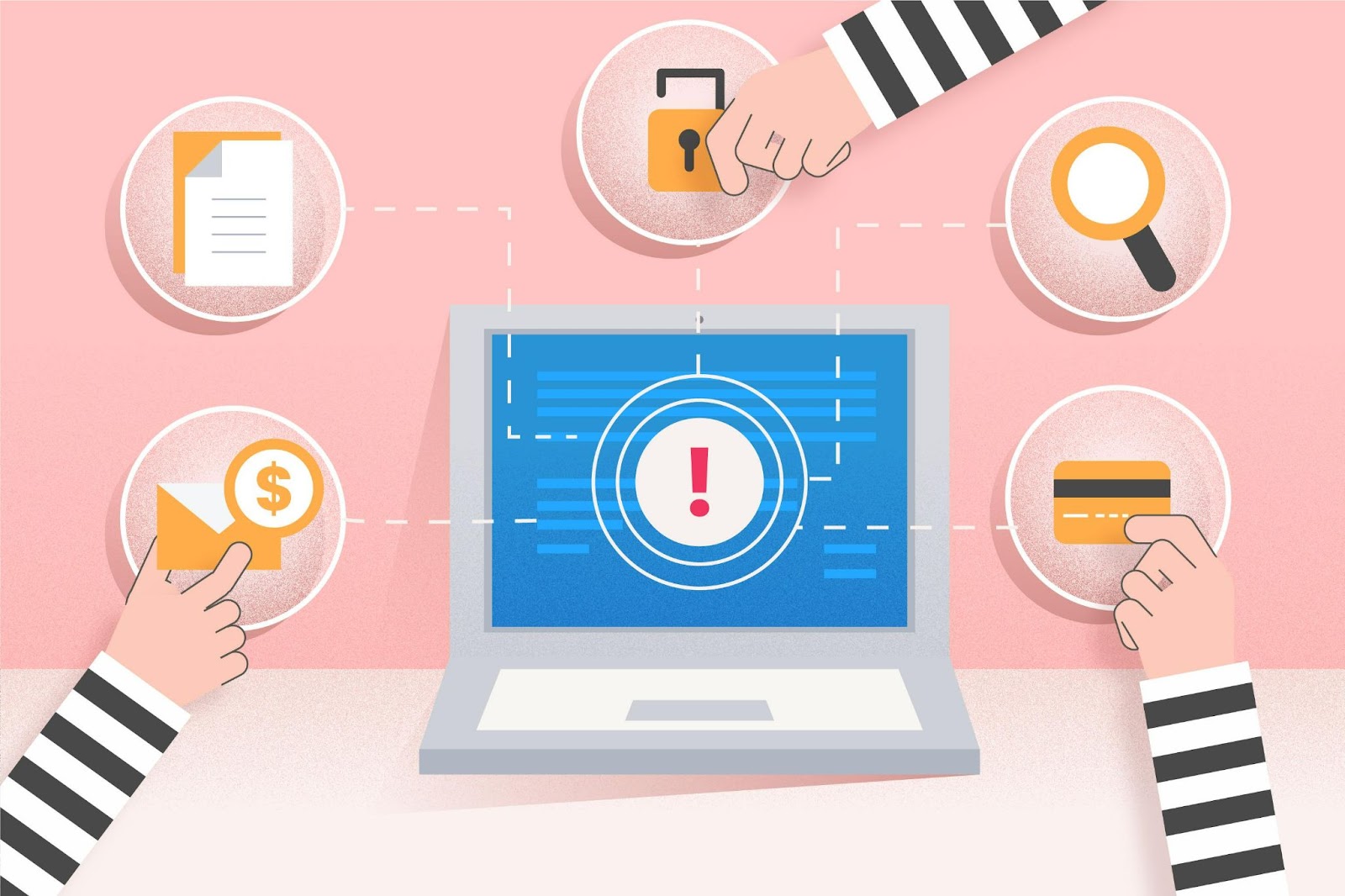
Prevention is always better than cure. The statement stands true in this context as well.
Let’s understand how.
When filling up forms manually, the applicant is the only source of data and truth.
You will never know if the data is accurate, even if it comes from the applicant. The process of underwriting was heavily dependent on the data given by the applicant manually filling up the forms. So there’s always a possibility of the applicant being dishonest or making errors while filling them. This could easily lead to inaccurate assessment.
With IoT devices and increased connectivity, insurers can fetch larger datasets with accurate information. At the same time, Natural Language Processing (NLP) lets insurers assess the abstract resource and bring inaccurate data or information that could cause a risk in the upcoming phases of claim management.
The benefits of AI in insurance, especially in underwriting include:
The total cost of insurance fraud is estimated to be over 40 billion dollars annually. The alarming number tells enough about the time, resources, and money that would go behind investing in each fraud case. Moreover, there’s no foolproof guarantee that the fraudster will get caught after the investigation.
Hence, preventing fraud is the only way to build trust among customers so that they experience a seamless transaction. This is only possible when you take help from technology. If you haven’t already considered making your business processes smart, take this as a cue to start thinking about it!
Working smart becomes a cost-effective solution automatically.
When insurtech companies leverage technology to streamline operations, they automatically reduce costs. The benefits of automating business processes are endless. Using digital tools and data analytics optimizes business processes and saves time and money.
For example, nowadays, insurtech companies have come up with usage-based premiums instead of traditional risk factors. Doing so is possible only because of customer data and its analysis.
To put it simply, insurtech is transforming the insurance industry, enhancing customer experience, improving efficiency, and introducing new business models. All these factors cumulatively result in an increase in cost and time saving. As technological advancements keep coming up, we expect to witness more and more innovation and disruption in the insurance industry in the future.
The article enlists how AI is reshaping the insurance sector. While you may already know the benefits of AI, you still wouldn't have taken that first step to leverage it. Let this article prompt you to think about using it in your business. Know the key areas that may benefit from AI and check the feasibility of incorporating it into the current management system.
Eventually, deciding whether you want to embrace this revolution is entirely up to you. It's time to find out your reasons for choosing the AI route or not. However, remember that it's never too late to adapt to an advancement, given it can change the whole industry! So what are you waiting for?


