
This article will delve into the crucial concept of mapping the customer journey and how it aligns with effective marketing funnels.
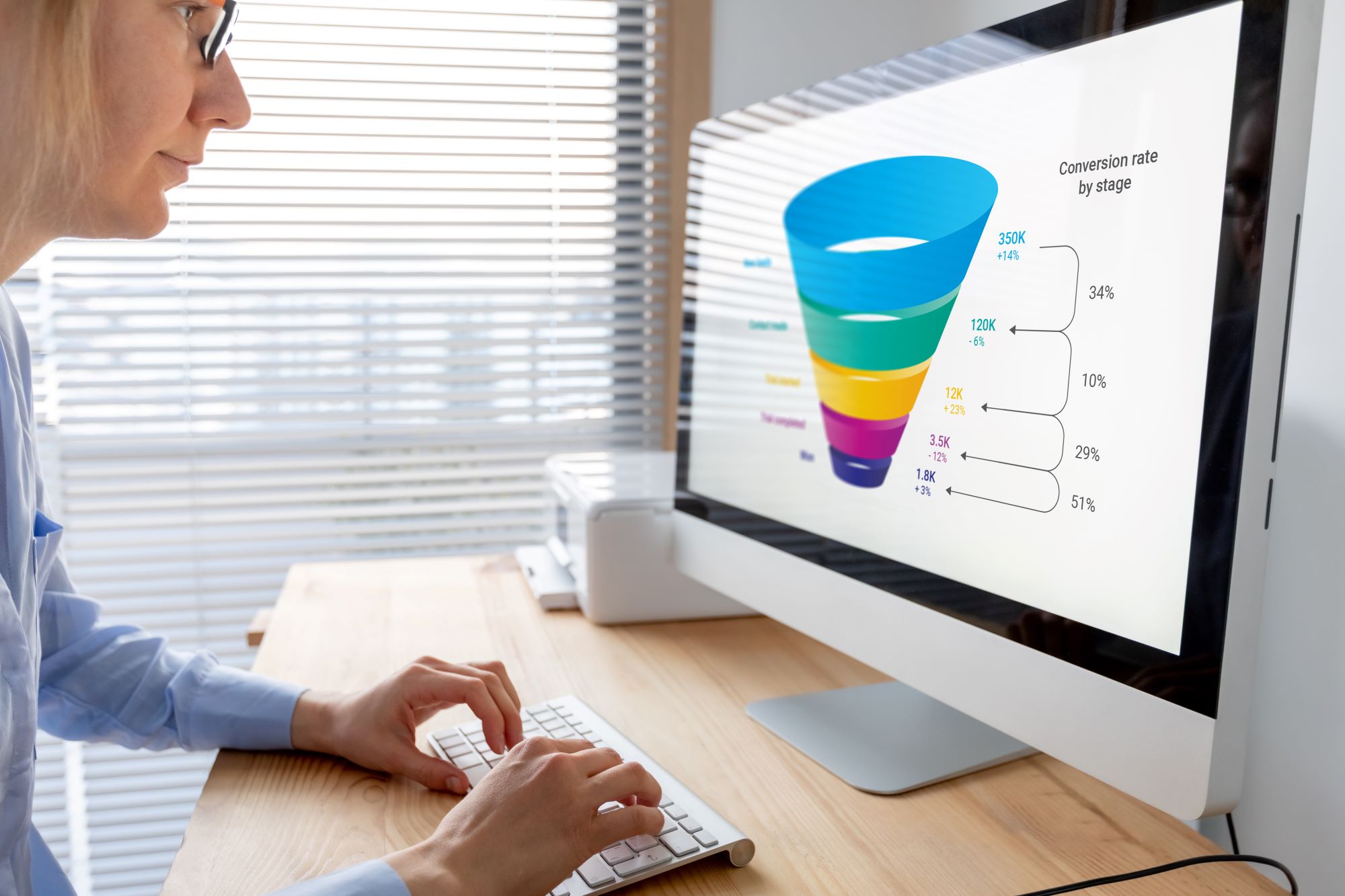
In today's competitive business landscape, successfully driving customer engagement and conversions requires a deep understanding of the customer journey. To attain this understanding, marketers often leverage marketing funnels. This strategic framework guides potential customers through each stage of their interaction with a brand. This article will delve into the crucial concept of mapping the customer journey and how it aligns with effective marketing funnels.
By comprehending the significance of aligning marketing funnels with audience needs, businesses can tailor their strategies to match customer expectations and optimize conversion rates, ultimately boosting overall business growth. So, let's explore the intricacies of mapping the customer journey and discover how it can revolutionize your marketing efforts.
The Essentials Of Funnel Software
Marketing funnels can be complicated to build and execute. Still, with the advent of funnel software, companies can streamline the process and gain a deeper understanding of their customer journey. Funnel software is designed to automate the creation and execution of marketing funnels, facilitating the growth and scaling of businesses. Additionally, funnel software offers a means to track the customer journey, providing insight into buying patterns and behaviors. The benefits of funnel software include the following:
With funnel software tools, marketers can create powerful, customer-centric marketing campaigns and accelerate growth.
The Art Of Funnel Building
Funnel building requires careful consideration and strategic planning. It involves crafting a step-by-step process that guides potential customers through their journey, from initial awareness to eventual conversion. To create a successful funnel, it's essential to tailor it to your target audience's specific insights and needs. By understanding your audience's characteristics, preferences, and pain points, you can personalize the messaging, offers, and content at each stage of the funnel. This customization ensures the funnel resonates with your audience, increases engagement, and improves conversion rates. By aligning your funnel with audience insights, you can create a powerful marketing tool that effectively addresses the needs and expectations of your target market.
Understanding Your Audience's Needs
To effectively align your marketing funnels with your audience's needs, it's crucial to understand their desires, pain points, and motivations. You can employ several methods to tap into the customer's psyche and gather valuable insights.
Firstly, conducting surveys can provide direct feedback from your audience, allowing you to understand their preferences, challenges, and expectations. Additionally, analyzing online behaviors such as website interactions, social media engagements, and purchase patterns can uncover valuable information about your audience's needs and preferences. Finally, social listening—monitoring online conversations and sentiment around your brand, industry, and competitors—can provide real-time insights into the issues that matter most to your audience.
By tapping into these methods, you can gather a wealth of information about your audience's needs and use this data to align your marketing efforts accordingly. This customer-centric approach ensures that your funnels are tailored to resonate with your audience, leading to higher engagement, increased conversions, and business growth.
Integrating Touchpoints: From Awareness To Conversion
The customer journey consists of various stages requiring different content and strategies. Understanding these stages and tailoring your marketing funnels to address them is key to guiding customers seamlessly to conversion.
At the awareness stage, customers are just discovering your brand. Here, the focus should be on providing informational content, such as blog posts and videos, that educates and engages your audience. You can build brand awareness and capture their interest by showcasing your expertise and addressing their pain points.
In the consideration stage, customers are actively evaluating their options. This is the opportune moment to provide deep-dive content like e-books and webinars. By offering valuable insights and in-depth knowledge, you can position your brand as the go-to resource, helping customers make informed decisions.
As customers move towards the decision stage, trust-building content becomes crucial. Testimonials, case studies, and reviews help establish credibility and build trust. Sharing success stories and social proof instills confidence in customers, making them more likely to choose your brand over competitors.
The final stage is conversion, where customers are ready to purchase or take the desired action. Direct marketing techniques like special offers, discounts, and compelling sales pitches can nudge customers toward conversion. You can maximize conversion rates and achieve your marketing goals by providing a clear and irresistible call to action.
Measuring Success And Iteration
Measuring the effectiveness of your marketing funnels is essential to understand how well they align with your audience's needs and drive desired outcomes. Fortunately, several tools and techniques are available to help you gain valuable insights and improve your funnel performance.
Analytics is a powerful tool to measure the success of your marketing funnels. You can assess the effectiveness of each stage in your funnel by tracking key metrics such as conversion rates, click-through rates, and customer engagement. Utilizing analytics platforms like Google Analytics or marketing automation software can provide in-depth data and visualizations to evaluate funnel performance and identify areas for improvement.
Heatmaps are another useful tool for understanding user behavior on your website or landing pages. Heatmaps visually represent where users click, scroll, or spend the most time. This data can reveal insights into user preferences, pain points, and potential bottlenecks in your funnel. You can optimize your funnel's design and layout by analyzing heatmaps for better user experience and conversion rates.
A/B testing allows you to experiment with different variations of your funnel to determine which elements perform better. By creating two or more versions and redirecting a portion of your traffic to each, you can compare their performance and make data-driven decisions. Based on user behavior and preferences, A/B testing can help you fine-tune your funnel elements, such as headline, call-to-action, or layout.
Feedback loops are crucial for gaining insights from your audience. Actively seek feedback through surveys, customer interviews, and social listening to understand their experience and identify pain points or areas of improvement. This valuable input from your audience can guide you in refining your marketing strategies and aligning your funnels more effectively.
Based on the insights gathered from analytics, heatmaps, A/B testing, and customer feedback, it is important to iterate and refine your marketing funnels. Constantly evaluate and optimize each stage of your funnel, from awareness to conversion, to ensure it remains relevant and resonates with your audience's needs and preferences. By continuously measuring success, gathering insights, and refining strategies, you can create high-performing funnels that consistently drive results and help you achieve your marketing goals.
Conclusion
In today's competitive landscape, aligning your marketing funnels with the needs and preferences of your audience is paramount for success. By mapping the customer journey and creating tailored strategies for each stage, businesses can effectively guide customers toward conversion and foster long-term relationships. Throughout this article, we've explored the key components of mapping the customer journey, from identifying touchpoints to integrating content and measuring success. Businesses must prioritize understanding their customer's journey and continuously adapt their marketing funnels to meet evolving needs. By doing so, they can stay ahead of the competition, maximize engagement, and drive conversions. Start mapping your customer journey today and unlock the full potential of your marketing funnels to achieve sustained business growth.


