
Throughout history, the sales process has evolved. From ancient times to more recent times, the emphasis on the sale varied - with some periods placing more of an emphasis on product quality and others putting greater focus on customer service. In order to illustrate this point, we are going to take a look at historically, the sales process placed an emphasis on what?
The sales process has evolved significantly over the years. Historically, it placed an emphasis on one-sided communication. The days of traveling door to door are long gone! Today, modern buyers are more informed and selective than ever before.
A successful salesperson needs to be able to adapt their pitch accordingly in order to get a yes from potential customers. In this blog post, we will discover historically, the sales process placed an emphasis on what and explore 8 ways that you can build and strengthen your own sales process for success!
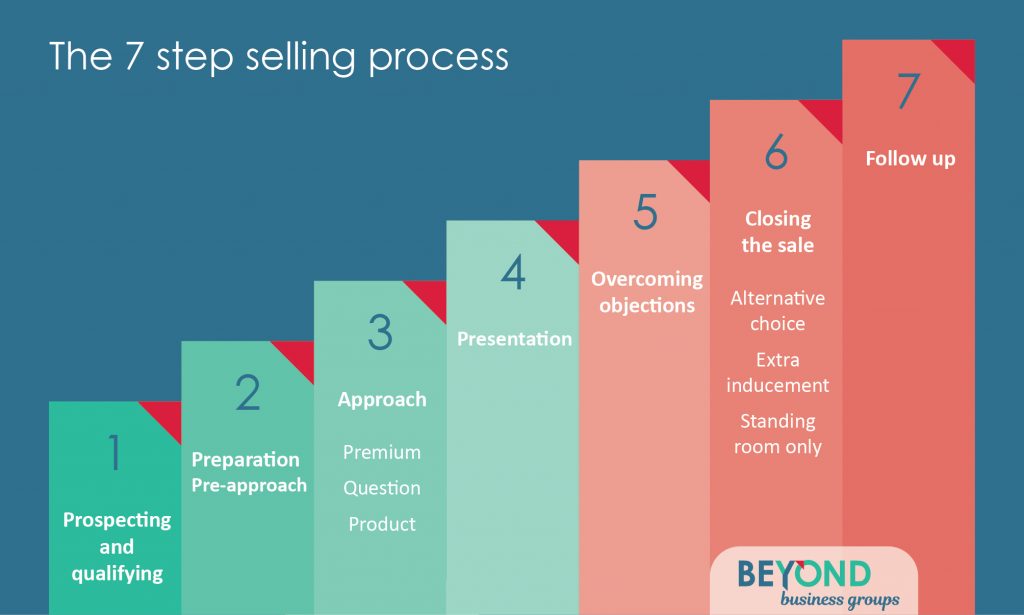
Before we understand historically, the sales process placed an emphasis on what?, let’s explore 8 ways to strengthen your sales process.
1. Identify Your Target Audience- The first step in any successful sales process is identifying your target audience. Who are you selling to? What needs or wants do they have that you can fulfill?
Once you know who your ideal customer is, you can start tailoring your messaging and pitch specifically for them. This will increase your chances of success dramatically!
2. Do Your Research- In order to sell effectively, it’s important to do your research on the person or company you’re targeting.
Learn as much as possible about their business, their customers, and what solutions they offer. The more knowledge you have going into a sale, the more confident you will be when presenting your product or service.
3. Stay Current on Trends and Developments in Your Industry- A successful salesperson is always looking for new opportunities to sell! Being aware of current trends, newsworthy events within your industry, and upcoming developments can help you better understand how potential customers might be influenced by these factors.
You should also pay attention to what competitors are doing so that you have a more complete understanding of the market as it exists today!
4. Look for Opportunities to Provide Value Beyond the Sale- A successful sales process is focused on building relationships with people, not just selling your product or service.
Proactively seek opportunities where you can provide value beyond the initial purchase of your offering. This will increase trust and engagement between you and your customer which makes them more likely to go back to you in future!
It’s also important that this additional value be relevant within the context of what they are looking for (i.e., don’t suggest a complementary offer if it doesn’t make sense).
5. Speak Their Language & Meet Them Where They Are at With Technology- The buyer has changed dramatically over time as well, and as a salesperson you need to be aware of the various ways that they can now be reached.
Use technology to your advantage by meeting potential customers where they are at. Utilize social media platforms, digital marketing channels, and even CRMs in order to reach more people in less time.
Additionally, make sure that all of your messaging is relevant and engaging for modern buyers – avoid using jargon or complex language that might alienate them.
6. Build Rapport & Connect With Customers on a Personal Level- In order to close a sale, it’s important to build rapport with potential customers.
This means taking the time to get to know them personally – their interests, their needs, what drives them – and then letting that guide your interactions. Make it a priority to build trust between you and the other person so that they feel comfortable with entering into business with you!
7. Practice Active Listening Skills & Ask Strategic Questions to Close the Sale- Asking intelligent questions not only helps validate whether or not someone is interested in what you have to offer, but also gives them an opportunity to provide valuable feedback on how best your solution can meet their needs.
Furthermore, being able to actively listen helps strengthen relationships as well as understand where potential customers are coming from which makes for much more effective sales pitches!
8. Strive To Improve Your Sales Processes Through Feedback From Others- You should always strive to improve your sales processes by learning from both your own experiences as well as the feedback of others.
Ask customers how they found the buying process, what could have been done better, and what was most helpful to them. Use this information to make necessary adjustments to your approach so that you can continue selling more effectively in the future!
Sales process and sales methodology are two terms that are often used interchangeably, but there is a distinction between the two.
A sales process is a repeatable set of steps that you take to sell your product or service. A sales methodology is the approach or strategy you use to implement your sales process.
There are many benefits to having a strong sales process in place. Here are four of the most important ones:
1. More efficient selling - When you have a well-defined sales process, your reps will be able to sell more efficiently. They'll know what steps to take and in what order, which will speed up the selling process.
2. Faster sales rep onboarding - A good sales process also helps to speed up the onboarding process for new sales reps. They'll know what to do and how to do it, so they can hit the ground running and start generating sales quickly.
3. Consistency for your future customers - When you have a well-defined sales process, your customers will know what to expect from you. This will help to build trust and create a more consistent experience for them every time they interact with your company.
4. More engaged (and happier) sales reps - A good sales process can also help to keep your sales reps engaged and motivated. They'll know what's expected of them and they'll be able to see results from their efforts, which will encourage them to continue selling aggressively.
The main difference between a sales process and a sales methodology is that processes are repeatable steps, while methodologies provide guidelines or strategies for implementing those steps.
A good example of this distinction is the purchase decision process used by buyers in B2B settings. There isn't just one way to buy, so you need to have multiple paths for your reps to take when closing deals with prospects.
While having a strong sales process will help you define those paths, it's still up to each rep to find the best strategy for each opportunity they pursue.
Sales Approach
The first step towards an effective and efficient sales process is to have a good understanding of your sales approach. What type of customer are you targeting?
What are their needs and what is the best way to reach them? Once you have a good grasp on who you're selling to and how, you can start developing your process.
There are many different sales approaches out there, but most of them can be classified as one of two types: transactional or relationship. A transactional sales approach is all about getting the deal done as quickly as possible.
Reps focus on closing deals as efficiently as possible and often use aggressive tactics to do so. A relationship-based sales approach takes a more holistic approach to selling, focusing on building long-term relationships with customers.
Reps here take the time to get to know their customers and learn exactly what they need in order to close a sale.
So which approach is best? The truth is, either one can work for your company. It's up to you to decide which type of sales approach will be effective for reaching your target customer base.
In most cases, the transactional approach tends to work better with B2C companies that sell mass-market products or services. On the other hand, relationship selling works better with B2B companies because it requires more individualized attention from reps. That said, there are many examples of both types working successfully in either industry.
As you start building out your process, make sure that each step is clearly defined and well understood by all members of your sales team.
This will help to ensure that everyone is on the same page and that you're all working towards the same goal - closing more deals and generating more revenue.
If you're looking for a more efficient way to sell, then make sure to check out our free guide: "The Definitive Guide to Building a Successful Sales Process."
In it, you'll learn everything you need to know about creating a process that works for your company. You can download it by clicking the link below.
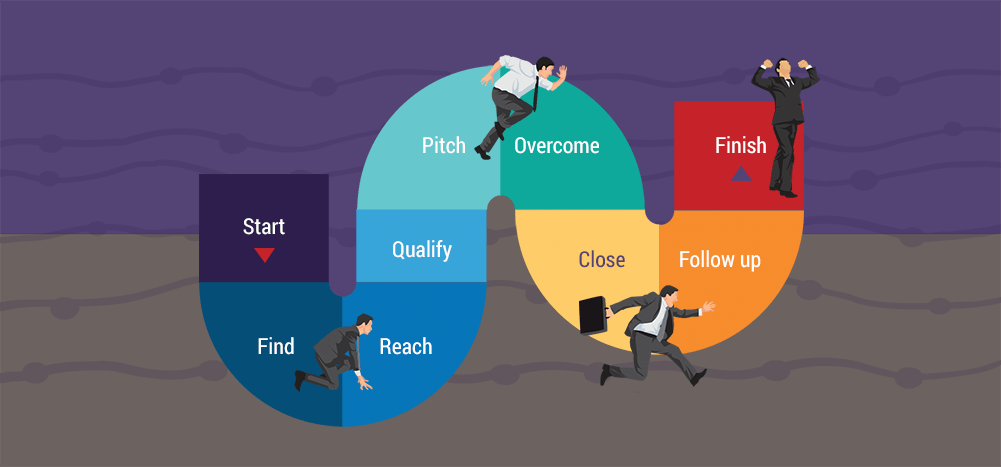
Historically, the sales process placed an emphasis on personal relationships. Salespeople would go out into the field and meet with clients in person to build trust and rapport. This often meant that they had to spend a lot of time travelling and networking in order to find new leads.
With the advent of technology, however, things have changed dramatically. Nowadays, sales can be conducted remotely, without ever having to meet a client in person. This has led to a more efficient and streamlined sales process, which is better suited to the modern business world.
It's also worth noting that the internet has made it easier for buyers to research products and compare prices. As a result, buyers are now more informed than ever before, and they expect a high level of service from the vendors they choose to do business with.
In addition, research shows that in-person meetings can be a drain on productivity and increase costs substantially.
In fact, the average cost of a sales meeting is $500 per person. In contrast, virtual meetings are much easier to schedule and don't require travel or accommodation expenses.
Overall, it's clear that the modern sales process is far more efficient than its predecessor. By relying on technology, businesses can save time and money while still achieving their sales targets.
Thanks to the internet, the world has become a much smaller place, and this is having a profound impact on the way we do business.


