
Marketing is a complicated topic that involves many steps, but this article offers two strategies that can help you increase your response rate. The first tactic is to use better follow-up processes by sending out personalized emails to your customers after they buy. The second tactic is to send them a reminder email right before their trial expires so they get the most out of what they purchase!
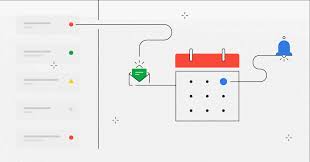
Follow up sales email are personalized word of mouth sales strategies that get your customers to come back again and keep the relationship stronger than ever.
First, you write an email after they have made a purchase which recognizes them on what they bought and reminds them that their subscription is expiring soon.
Second, you also send out a reminder email before the trial ends so as to appeal to their greediness right when it matters most! You might want to send a reminder email about a few days prior to the trial because this will increase both chances of buying and backfill rate.
To be honest, a follow up sales email might feel a bit like spamming your customers just when they have bought from you .
However , I believe that following up with subscribers is more effective than sending newsletters all the time since these messages can involve personally relevant information as well which feels extra personal for anyone. In addition, as business marketers, it goes without saying that we should always take advantage of the opportunity provided to us.
If you ask a medical doctor about what he does for his job, most people will probably tell him that the benefits are obvious and substantial: patients tend to be healthier after they see their physician even when not actively undergoing any treatment or prescription medicines). So if your customers have spent money on something from you, then clarify exactly how long they purchased it and what benefit they gained so that when you send their recurring payment reminder, they are more likely to open up the email in hope of finding a way to get those benefits back again.
If a customer says something negative about your product, service or brand online, you need to react quickly. If you don't get back to them in a timely manner, they might feel disgruntled and take their business elsewhere.
This is where email follow-up comes into play. With email follow-up, you are able to reach out to your leads as soon as possible to clear up any misunderstandings and address any concerns they had with your company .
The first step in the email follow-up process is to create an “inquiry tracker” that can be used as reference and guide. The track will help you keep a record of any inquiries your customers initiate with without making it too complicated for yourself by having incomplete information about them, i.e., new contact details as well as initial queries or complaints against your product or service.
Your inquiry tracker can be built into your website and will save you the trouble of making a separate one for each lead. The tracking engine should give you all information at hand such as their email address, name, phone number(s), company they work for or are employed by (company details), how often they visit your site including specific pages visited on those times, what kind of content was engaged with during that period among others.
Once you have all information at hand, it is time to start saving your email contacts. It can be as simple as adding your customers' names to the “Contact List” on Gmail and if they are interested in purchasing from you, they will get an alert that their name has moved into the inbox of one or more lead vehicles such as Twilio , MailChimp , Aweber etc.
The second step in email follow-up is the call to action. In most cases, it would be wise for you to simply ask your customers if they are interested in testifying one of your affiliate or product links. However many times, this approach of asking might not get a good enough response as there may be instances where some consumers have lost interest and even deleted their inbox due to lackadaisical actions from its representative company .
This can also happen when there’ s no direct need for the onlookers to be exposed to your product since as humans, we all are prone towards procrastination. Problem is that there would be times when you could not prove that your voicemail message or email was enough of a push-start for them and still fail in getting their customers converted into brand believers .
This is often debated by marketing experts whether sending an automated call which switches off automatically after 2 minutes might work but it would vary from market to market. In the US, you might get penalized if your call is too much of a mystery since it can be perceived as direct marketing to new customers but in other markets where people are used to such an action and would consider it more respectful ( like Australia ), this kind of a push-start may just do well enough for most affiliates opting that they only need one or two calls over the course first month - beginning subscribers and later on as time goes by and build up to bigger names.
Bloggers who have a lot of follow-up emails have higher response rates than those who don't. Bloggers who send out follow-up emails consistently get the most engagement. This reduces the need for many email campaigns, which saves money and time.
Benefits of follow up sales email:-
1. The second email tells the reader that your product is good for them.
2. It gives you a few more channels to coupon code, Free shipping etc.
3. Some people just want their favorite products without going through all this hassle 4 talking about everything and EVERYTHING in an EMAIL.
4. This will keep repeat customers happy and thus they'll buy it again in future.
5. Will create buzz around your Ebay Store as people start writing about them without actually looking at the product/article or website you have listed.
Tracking which emails that you don't need to send and not sending them wastes your time and resources.
To optimize your follow-up process, email a list of your open loops to yourself weekly or monthly.
Through this process, you'll know what you need to work on and what emails are less important. Create an onboarding webinar over email to get subscribers on your affiliate checklist.
There are many reasons why it's important to send follow up emails. Too often, email marketing campaigns get abandoned when the subscriber doesn't respond to the first email. With a follow up email, you can show your subscribers that you're still interested in them and that you care if they don't want to hear from you now or in the future.
The best time to send a follow up email is two days after they've received your original message.
The first mistake is neglecting to follow-up on emails. This one can be avoided by being proactive and following up with people as soon as possible after sending them your initial email.
A second mistake is not having a strategic plan for follow-ups.
This includes using an email template and sticking to it, utilizing tools such as email tracking software, and following up within three days of sending a message.
A third mistake is not writing a personal note in the subject line of an email.
This helps the recipient know that you are reaching out to them and that they are only one in many contacts on your list.
Lastly, avoid making the same mistakes over and over again by tweaking your strategy each time you send an email instead of going straight to the same old tactics.
1.Which subject lines work best for my follow up emails?
Subject lines are an important part of your follow-up emails, and it is important to test different ones to see which work best for your audience. Some things to consider when choosing a subject line are:
-The topic of your email
-The tone of your email
-The subject line length
-Your target market
Once you have determined which subject line works best for your email, be sure to stick with it! Testing different subject lines can help you to improve your follow-up emails, and ultimately, your business.
2.What are the best follow up emails to send after a webinar?
Following up with potential clients after a webinar can be a challenge, but it is important to do it in a way that will ensure that they are interested in continuing the relationship. Some effective follow up emails to send after a webinar include thanking the client for attending, highlighting the key takeaways from the webinar, and providing a link to resources that were discussed.
It is also important to keep in mind the timing of the follow up emails. Try to send them within a few days of the webinar, but don’t overdo it. The goal is to keep the conversation going, not inundate the client with emails. Remember, it is important to listen as well as talk!
3.What should I include in my email after a webinar?
After a webinar, it is important to send out an email to your participants to thank them for coming, and to remind them of the upcoming next webinar. This email can also include a link to the recording of the webinar, as well as any additional resources that you think they might find useful. You can also include a brief summary of the topics covered, as well as any updates or information that you think would be of interest to them.
Finally, make sure to include a contact form so that participants can provide you with feedback or questions. You can also offer special discounts or bonus content for those who sign up for your email list after attending a webinar. By following these simple tips, you can ensure that your webinars are a success and that your participants leave with a positive impression of you and your business.
4.
How do I create good, relevant titles for my follow up emails?
There is no one-size-fits-all answer to this question, as the best way to create titles that are relevant and appealing to your target audience will vary depending on your business and what you are selling. However, some tips on how to create good titles include using keywords in your titles, coming up with catchy phrases that are relevant to your topic, and using active and catchy language. Additionally, make sure your titles are short and to the point so that they are easy to read and understand.
Finally, make sure to test out your titles in a few different email addresses before you go live to ensure that they are being received and understood. Sometimes, typos can cause your emails to be filtered or deleted, so it is important to have them professionally designed and tested before you go live.
In conclusion, follow up sales email can be a great way to stay in touch with your clients, but it can also be a waste of time and energy if it is not used effectively. Here are four of the worst things about email as a sales guy:
1. Email can be overwhelming – too much information can lead to confusion and ultimately, a decline in your conversion rate.
2. The wrong type of email can actually hurt your relationship with your client – if your email is too pushy or hostile, it can ruin your relationship and lead to a decline in business.
3. Email can be missed – if you are busy selling, don’t forget that your clients are also busy and may not receive your messages.
4. Email can be forgotten – it is easy to get sidetracked and forget why you started using email in the first place. Make sure to keep your client base top of mind and send relevant and interesting content as often as possible.


