10 Famous Salesmen Who Built Billion-Dollar Empires From Scratch
Meet 10 famous salesmen who started with nothing and built billion-dollar empires using pure sales mastery, negotiation skill, and relentless execution.
Contents
A billion-dollar empire rarely begins in a boardroom. It often begins with a pitch, a negotiation, or a cold door that refuses to open.
The difference between an idea and a global company is selling. These 10 famous salesmen built billion-dollar empires from scratch by mastering prospecting, negotiation, and persuasion when nothing else was guaranteed.
Their stories are not about luck or timing. They are about disciplined execution, relentless follow-up, and the ability to convince customers, partners, and investors before success was visible.
Billion-Dollar Empire Builders Who Mastered Prospecting and Negotiation
Each of the leaders below treated access and deal structure as strategic assets. Their growth did not rely on momentum alone, it relied on agreements designed to multiply over time.
Now let’s examine how each builder turned structured selling into lasting expansion.
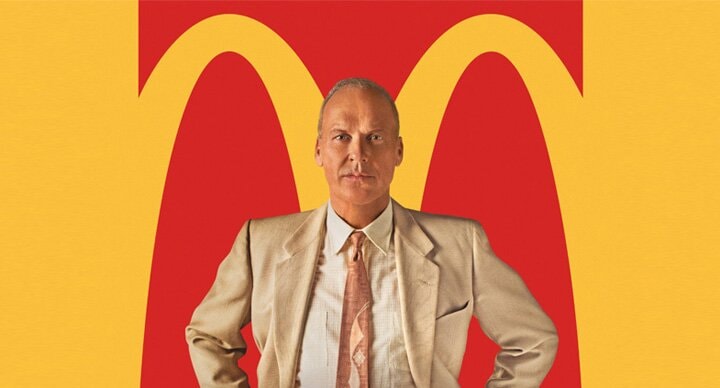
1. Ray Kroc
Ray Kroc
Ray Kroc scaled McDonald’s into a global system by standardizing operations and controlling expansion terms. He understood that consistency, not food, was the real product.
What He Sold First: A replicable operating model built on uniform standards
Where He Negotiated Hardest: Franchise control, supplier agreements, brand authority
How That Created Compounding Growth: Every new location reinforced purchasing power and brand trust
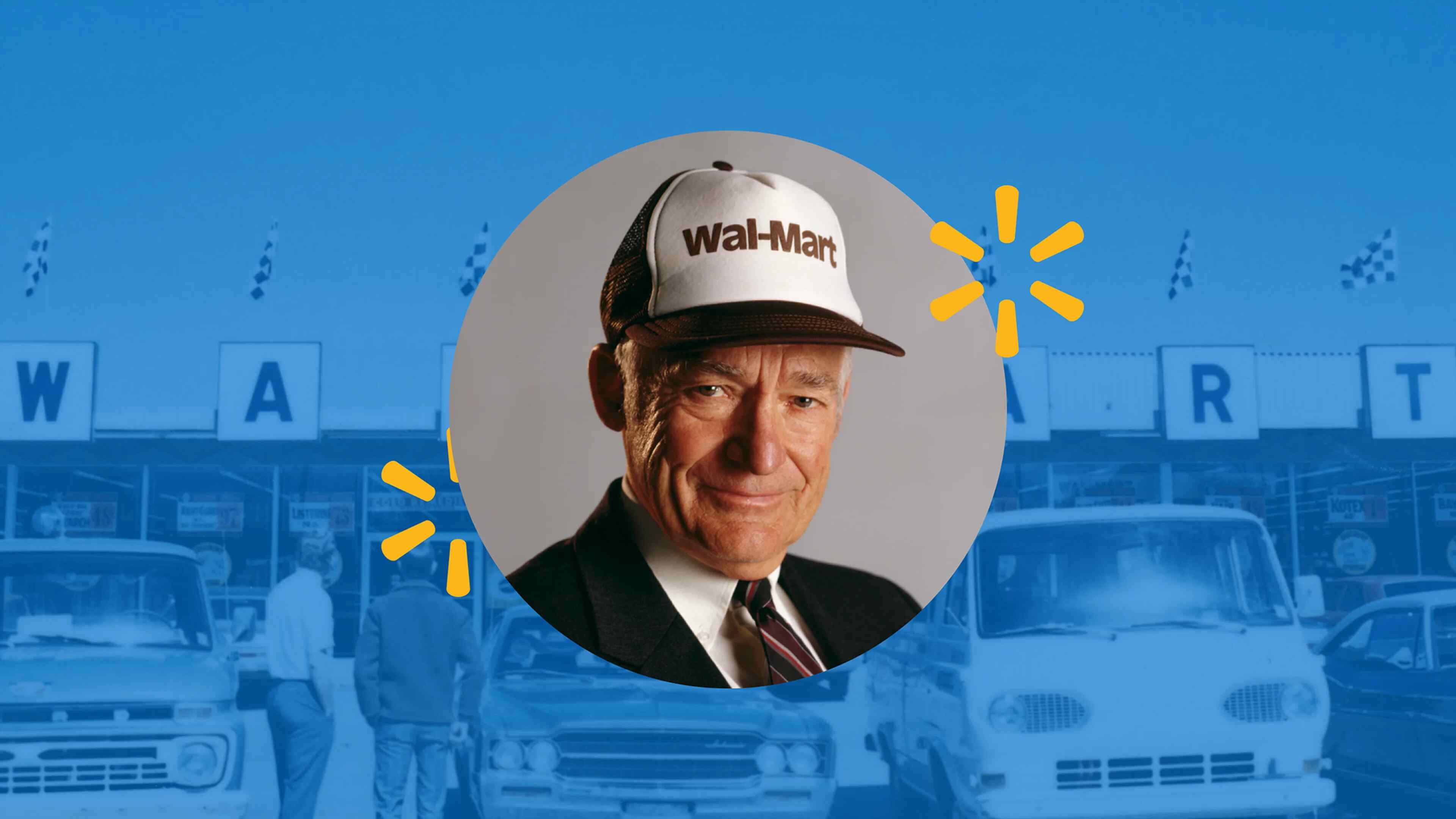
2. Sam Walton
Sam Walton
Sam Walton built Walmart through disciplined cost control and relentless supplier negotiation. He treated pricing as strategy, not promotion.
What He Sold First: Everyday low pricing as a permanent commitment
Where He Negotiated Hardest: Vendor margins, logistics efficiencies, bulk purchasing
How That Created Compounding Growth: Cost savings funded faster expansion
3. Larry Ellison
Larry Ellison
Larry Ellison positioned Oracle as mission-critical infrastructure before it was widely proven. He sold enterprise belief early.
What He Sold First: Database reliability as strategic backbone
Where He Negotiated Hardest: Long-term contracts, executive-level buy-in
How That Created Compounding Growth: Enterprise accounts expanded internally
4. Ross Perot
Ross Perot
Ross Perot built EDS by selling execution certainty to large institutions. He reduced risk through structure.
What He Sold First: Accountability in complex technology delivery
Where He Negotiated Hardest: Institutional contracts, measurable service guarantees
How That Created Compounding Growth: Trust converted into recurring enterprise deals
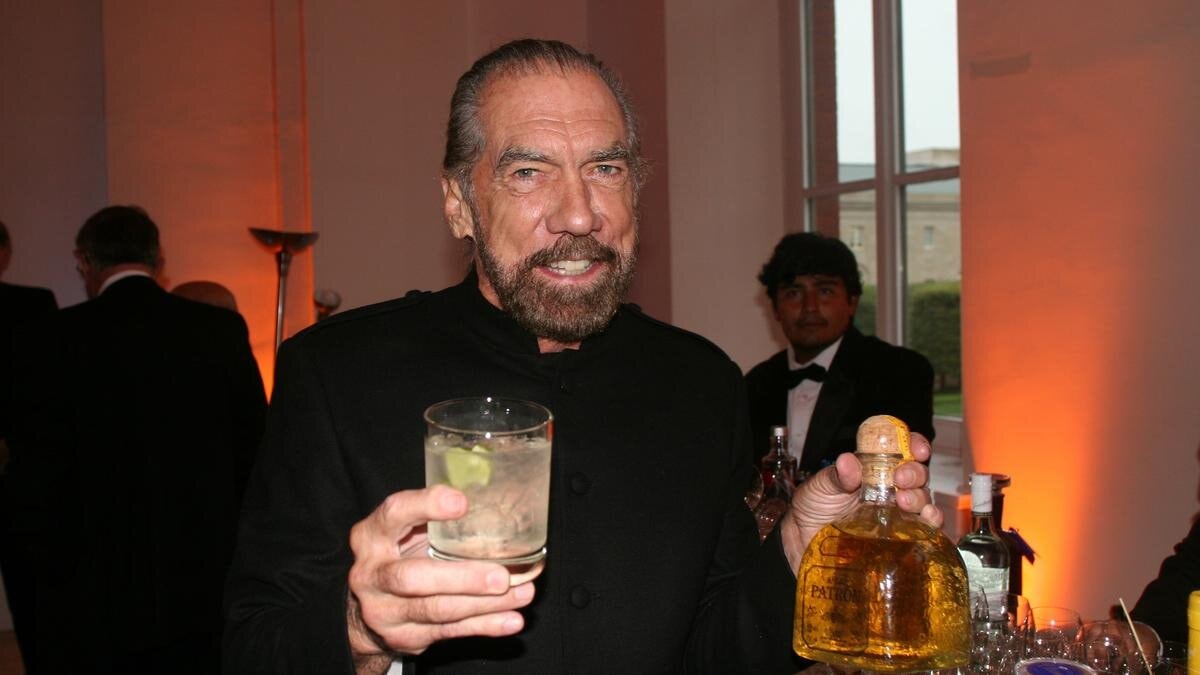
5. John Paul DeJoria
John Paul DeJoria
John Paul DeJoria built distribution through direct relationship building and strategic placement in retail.
What He Sold First: Premium positioning inside crowded shelves
Where He Negotiated Hardest: Distributor access and placement visibility
How That Created Compounding Growth: Strategic visibility strengthened brand authority
6. Steve Jobs
Steve Jobs
Steve Jobs turned product launches into belief events. He negotiated control over experience and ecosystem.
What He Sold First: A simplified technology future
Where He Negotiated Hardest: Ecosystem integration and distribution partnerships
How That Created Compounding Growth: Ecosystem loyalty drove repeat purchases
7. Jeff Bezos
Jeff Bezos
Jeff Bezos built Amazon by selling long-term customer obsession while competitors focused on margins.
What He Sold First: Relentless customer focus as competitive thesis
Where He Negotiated Hardest: Supplier pricing and reinvestment flexibility
How That Created Compounding Growth: Operational scale reduced cost and increased loyalty
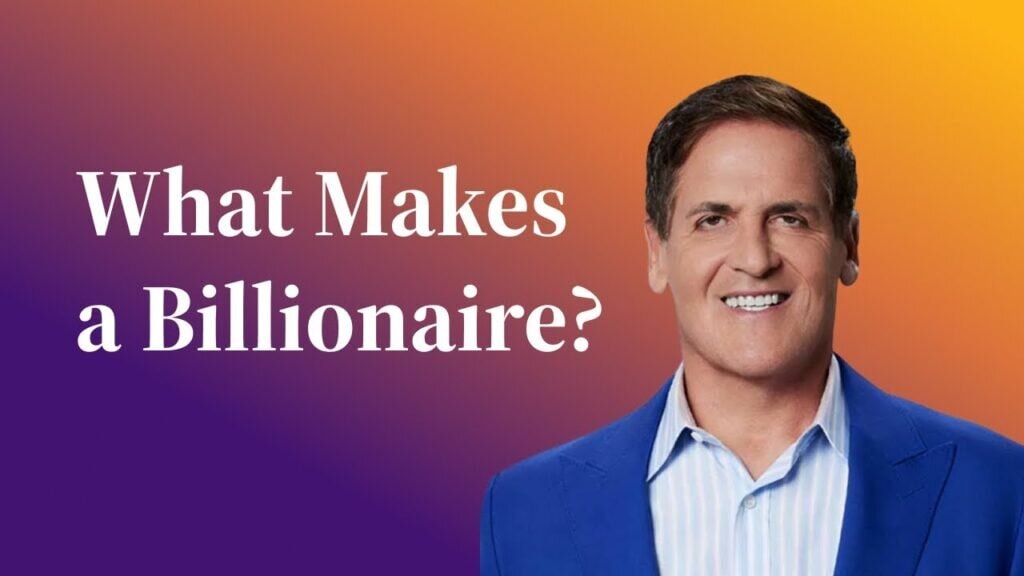
8. Mark Cuban
Mark Cuban
Mark Cuban leveraged speed and timing in technology markets. He understood valuation as negotiation leverage.
What He Sold First: Efficiency in underserved tech segments
Where He Negotiated Hardest: Equity stakes and acquisition valuations
How That Created Compounding Growth: Strategic exits funded larger expansions
9. Mary Kay Ash
Mary Kay Ash
Mary Kay Ash built a sales-driven cosmetics network by aligning incentives with recognition and loyalty.
What She Sold First: Opportunity tied to achievement
Where She Negotiated Hardest: Incentive structures and distributor motivation
How That Created Compounding Growth: Motivated representatives expanded the network organically
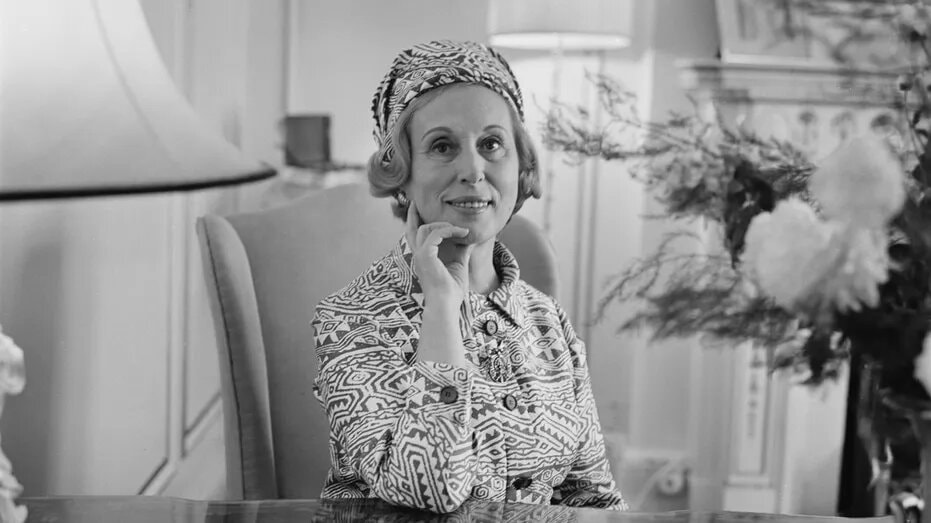
10. Estée Lauder
Estée Lauder
Estée Lauder built brand prestige through personal selling and strategic retail positioning.
What She Sold First: Premium beauty storytelling
Where She Negotiated Hardest: Department store placement and pricing integrity
How That Created Compounding Growth: Premium positioning protected margins and fueled expansion
Billion-Dollar Empire Builders: Comparison at a Glance
Name
Industry
What They Sold First
Primary Negotiation Focus
Scale Mechanism
Ray Kroc
Fast Food Franchising
Operational consistency
Franchise control and supply chain
Standardized replication model
Sam Walton
Retail
Everyday low pricing
Supplier margins and logistics
Cost advantage reinvested into expansion
Larry Ellison
Enterprise Software
Database reliability
Long-term enterprise contracts
Account expansion and renewals
Ross Perot
Technology Services
Execution certainty
Institutional service agreements
Recurring enterprise engagements
John Paul DeJoria
Consumer Products
Premium brand positioning
Distribution access and shelf space
Retail channel amplification
Steve Jobs
Consumer Technology
Product vision and ecosystem
Experience control and partnerships
Integrated ecosystem loyalty
Jeff Bezos
E-commerce
Customer obsession
Supplier pricing and reinvestment flexibility
Operational scale and reinvestment
Mark Cuban
Technology Ventures
Market efficiency
Equity and acquisition structure
Strategic exits funding growth
Mary Kay Ash
Direct Sales Cosmetics
Recognition-driven opportunity
Incentive structures and distributor alignment
Network-based expansion
Estée Lauder
Prestige Cosmetics
Premium storytelling
Retail placement and pricing integrity
Brand equity and margin protection
These builders did not depend on charisma alone. They built leverage through disciplined prospecting and structured negotiation, then scaled through repetition.
The mechanics are visible. The deeper question now is what internal traits made these behaviors consistent under pressure.
The Core Sales Traits That Separated Billion-Dollar Builders From Everyone Else
At billion-dollar scale, sales is not a talent, it is a discipline you can measure. The people who built lasting empires repeated the same behaviors under pressure, across industries, cycles, and high-stakes rooms.
Below are the traits that show up again and again, because they make customers feel valued, keep momentum alive, and turn selling into long-term advantage.
1. Obsessive Customer Understanding
They did not guess. They listened until patterns became obvious, then shaped offers around real constraints and motives.
What It Looks Like: Questions that expose risk, urgency, and internal politics
How To Build It: Track what clients repeat, then write it into your pitch language
Example: You restate the customer’s exact concern after the first meeting, and they relax
What It Looks Like: Clear ownership, fast summaries, deadlines that stick
How To Build It: Use a simple sales manual for next steps, follow-ups, and handoffs
Example: You send the recap in ten minutes, with decisions, owners, and dates
These traits shape real success because they turn selling into a repeatable craft, not a lucky career moment. Next, we move from traits to the systems that make these behaviors scalable across teams, markets, and time.
The Sales Systems and Processes That Enabled Massive Scale
Below are the systems that turned selling into something a company could scale, measure, and improve, without losing quality for customers or value for clients.
What A Scalable Sales System Looks Like
Clear Roles: A sales manager owns rhythm, coaching, and accountability, not just numbers
Documented Playbooks: A sales manual turns instincts into repeatable steps anyone can follow
Consistent Deal Process: Stages are defined by buyer actions, not internal guesses about progress
Skills Training That Sticks: Prospecting, discovery, negotiation, and closing deals get practiced, not just taught, supported by foundational sales books for beginners
Message Control: Advertising and outreach follow one positioning story, so the market hears one idea, aligned with a client-focused marketing strategy
Feedback Loops: Every first meeting is reviewed for patterns in what people buy, objections, and decision speed, increasingly informed by digital sales data and transformation insights
Example
A cosmetics company scales faster when its reps follow the same discovery script, demo flow, and follow-up timing, instead of improvising.
How Systems Create Real Leverage
Hiring Becomes Predictable: You can recruit for traits, then train for skill inside the sales profession
Performance Becomes Coachable: Coaching is based on behaviors, not personality
Results Become Compounding: One improvement in process lifts the entire team, not one person
Expansion Becomes Safer: When you grow into a new industry, the core system travels with you
Example
A chevrolet dealership can increase conversion without pressure tactics by standardizing lead response time, test-drive flow, and negotiation steps.
A strong system does more than drive success. It protects quality, builds consistency, and creates a career path where performance becomes a craft, not a lucky streak.
Once these systems are in place, the next question becomes strategic, how selling evolves from a process into long-term advantage across the world and across cycles.
How Selling Skills Evolved Into Long-Term Competitive Advantage?
Early wins come from talent. Long-term advantage comes from turning selling into reputation, positioning, and trust that keeps compounding.
Over time, the strongest operators stop relying on heroic closing deals and start building a durable edge the sales world can recognize on sight.
How Selling Becomes A Competitive Moat
Trust Becomes A Brand Asset: Customers return because the experience stays consistent, not because the pitch was clever
Distribution Becomes Defensible: Access to partners, shelves, and channels becomes harder for competitors to copy
Messaging Becomes Ownership: Advertising repeats one clear idea until the market associates it with your name
Relationships Become Renewable: Building relationships turns old conversations into future revenue
Standards Become Culture: A company can hire, train, and scale while protecting quality across teams
Example
An own cosmetics company can keep premium pricing when its positioning is tied to repeatable service and credible storytelling, not discounts.
What This Looks Like Over A Full Career
A strong business career produces influence that extends beyond one product cycle
The best salesman is remembered for how they shaped demand, not just for what they sold
Credibility creates access to bigger rooms, bigger clients, and more strategic deals
Reputation becomes a rich sales legacy that competitors cannot buy quickly
Example
A founder who earns trust on Wall Street can raise capital faster because the market already believes their execution.
Why Influence Outlasts Tactics
Some builders became salespeople of all time not because they had one trick, but because they could influence people across contexts.
That influence often expands into public speaking, recorded speeches, and even the role of popular motivational speakers, where ideas spread faster than any single sales cycle.
The advantage is not fame. It is the compounding effect of trust, clarity, and consistency that survives market shifts and keeps winning across the world.
With competitive advantage in place, the next focus becomes practical, how modern sales professionals can apply these patterns without copying personalities, only the mechanics.
What Modern Sales Professionals Can Learn From These Empire Builders
The fastest way to improve in sales is to copy mechanics, not personalities. These builders came from different industries and different humble beginnings, yet their advantages were built on behaviors any modern team can practice.
What To Apply Immediately
Treat Trust Like A Deliverable: Keep promises small and frequent, customers notice consistency more than charisma
Build A Repeatable Daily Rhythm: Prospecting blocks, follow-ups, and review time protect performance for sales reps
Control The First Minute: The first meeting should start with a clear outcome, then a clean agenda
Make Influence Practical: Use body language, pacing, and silence to influence people without sounding rehearsed
Learn From Your Worst Mistake Fast: Write down what failed, change one variable, and test again
Example
A car salesman who improves follow-up timing often increases closing deals without changing the offer.
How To Think About “Greatness” In Sales
World records and the Guinness Book make good headlines, but the real signal is repeatability. Successful salespeople are defined by how often they can recreate outcomes, not how loud the story sounds.
That is why the most effective operators build habits that work across the world, even when markets shift.
How To Stay Useful As Your Career Expands
In a long life in sales, your edge comes from staying close to buyers while leveling up your craft. Study what the best salespeople do inside your industry, then adapt it to your job and your market, instead of copying other salesmen word for word.
From here, the focus shifts from learning to action, practical FAQs that answer the most common questions readers have after seeing these patterns in real companies.
FAQs
1. Are There Billion-Dollar Empire Builders Who Started as Traditional Sales Reps?
Many empire builders began as frontline sales reps before leading global companies. Early exposure to objections, quotas, and negotiation pressure built the commercial instincts they later used to scale billion-dollar businesses.
2. How Does Formal Sales Training Influence Long-Term Business Success?
Structured sales training sharpens persuasion, customer psychology, and deal strategy. Founders who mastered these skills early often translated them into stronger investor pitches, supplier negotiations, and market expansion decisions.
3. Why Are Car Salesman Stories Often Used as Examples of Elite Selling?
The car salesman role demands rapid rapport building, objection handling, and closing under pressure. While not all car salesmen build empires, the skill intensity of the role mirrors traits seen in large-scale business builders.
4. What Separates Famous Salespeople From Simply Being the Best Salespeople?
Being one of the best salespeople focuses on individual performance. Becoming one of the influential salespeople who build empires requires scaling that ability across teams, markets, and long-term strategy.
5. Who Are Considered Famous Sales people Beyond This List?
Several famous salesmen such as Dale Carnegie, Joe Girard, and Erica Feidner became widely recognized for individual excellence, influence, or record-breaking performance, even if they did not build billion-dollar companies.
Conclusion
The 10 famous salesmen who built billion-dollar empires from scratch did not wait for perfect timing. They built leverage early, protected it through process, and turned selling into a long-term competitive advantage.
The practical move now is simple. Audit your current pipeline, refine your negotiation structure, and strengthen one repeatable habit this week. Momentum compounds when discipline stays consistent.
Real advantage comes from execution, not inspiration.
No items found.
Sushovan Biswas
Get Paid for Your Time
Join the marketplace for B2B pitches, meetings, and connections

.png)