Your campaigns should convert. Learn the 7 gaps hurting your digital marketing conversion and the exact steps to fix them.
.png)
Your ad dashboard shows clicks rising, but sales stay flat. That gap is where digital marketing conversion quietly breaks.
Traffic alone does not create revenue. Conversion fails when tracking hides real signals, targeting misses intent, or the offer does not match buyer stage.
Improvement begins with identifying where the funnel leaks and correcting the exact friction point. Precision, not volume, determines whether campaigns produce growth.
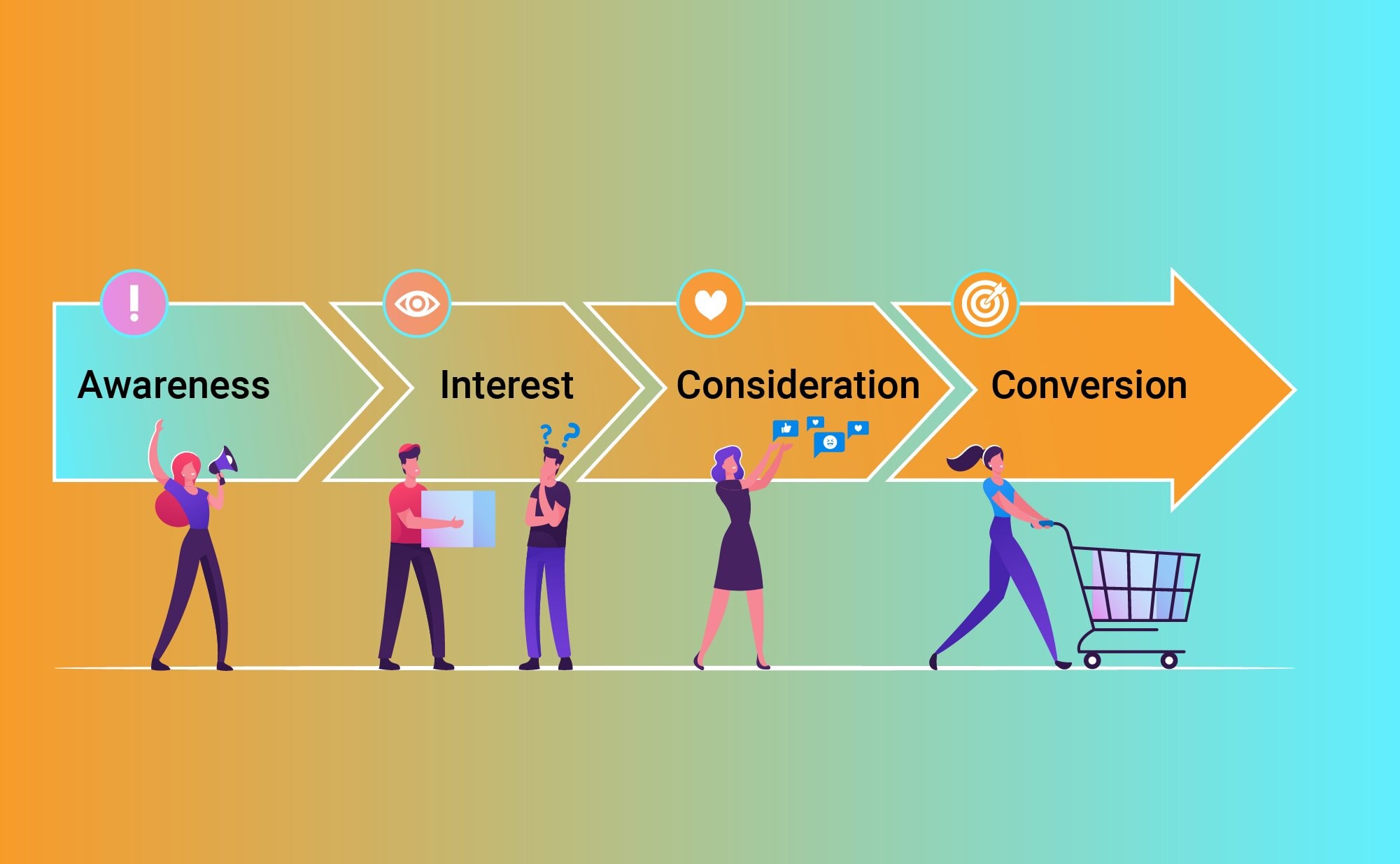
Traffic can rise while revenue stays flat. The breakdown usually happens at one precise stage of the journey, not across the entire system.
Improvement begins when you isolate the real leak instead of adjusting everything at once. The reasons below show where performance slips and what deserves immediate attention.
Clear tracking turns activity into insight. When measurement is accurate, decisions become simple and defensible.
What to Check First
Example
A dashboard shows rising submissions, yet sales remain flat. The form event fires before users complete the final step.
Strong creative cannot compensate for weak audience alignment. Results improve when messaging reaches people with clear intent and reflects whether you operate in a B2B vs B2C sales environment. .
How to Refine Audience Fit
Example
Broad interest targeting drives clicks. Narrowing to in-market users improves lead quality without increasing spend.
A value proposition works when it explains the outcome in one clear sentence. If it sounds abstract, attention fades.
How to Strengthen It
Momentum drops when the message shifts after the click. Continuity builds confidence.
How to Restore Alignment
Example
An ad promotes a free audit. The page highlights premium plans. Adjusting the headline restores clarity and engagement.
Trust shortens decision time. Visible proof reduces hesitation at the moment of action.
Signals That Influence Decisions
Example
Replacing generic praise with measurable results improves form completion rates.
Small obstacles create drop-off. Simplicity increases completion.
Friction Points to Reduce
Interest fades quickly. Speed and relevance preserve momentum.
How to Improve Response Flow
Example
Responding within minutes and using a structured follow-up sequence that brings in replies significantly increases booked meetings compared to next-day outreach, especially when supported by real-time engagement tools. .
The breakdown points are now visible. The next step is sequencing the fixes correctly, so improvements show up quickly and compound over time.

Campaigns improve when marketing efforts focus on the right audience inside the correct marketing funnel. Increasing conversions requires aligning each marketing channel with a clear desired action that fits the customer journey and the broader digital sales transformation you are driving. .
When messaging is laser focused on potential customers, driving conversions becomes systematic rather than reactive. The priority now is deciding which correction produces measurable lift first.
Fix First: Tracking and Measurement Integrity
If attribution is unclear, every “win” is questionable. Fix measurement before you touch creative or budgets.
Example
A campaign looks profitable in ads manager, but CRM shows low-quality leads. The tracking event is counting low-intent actions as conversions.
Fix Second: Traffic Quality and Targeting Precision
Better traffic beats more traffic. Clean targeting reduces waste and improves lead quality.
Example
A retargeting audience mixes product viewers with blog readers. Splitting them improves relevance and reduces cost per result.
Fix Third: Offer and Message Match Across the Journey
The click promise must match the landing experience. Consistency increases trust and completion rates.
Fix Fourth: Landing Page Friction and Form Drop-Off
Small obstacles create big drop-offs, especially on mobile. Remove effort before adding persuasion.
Fix Fifth: Response Speed and Follow-Up Quality
Leads decay fast. Speed protects intent.
Example
A five-minute response window increases booked meetings compared to next-day follow-up. .
How to Use This Plan Without Overthinking
Apply one fix at a time, then observe impact on the exact step it was meant to improve. This keeps your decisions clean and prevents random changes from masking what actually worked.
Next, the focus shifts from fixes to proof, tracking performance once changes are live so you can confirm impact with real numbers.

Once adjustments are implemented, performance measurement must move beyond surface metrics. Google Analytics and web analytics reveal critical metrics such as total visitors, unique visitors, form fills, and website’s conversion rate.
Marketing ROI depends on tracking the exact moment conversion occurs across traffic sources and web pages. The focus now shifts to interpreting these data points with precision.
1. Set a Clean Baseline Before You Compare Anything
Measure the same window before and after changes using consistent dates and traffic levels. This prevents seasonal shifts or uneven spend from distorting performance measurement.
2. Track Outcomes, Not Activity
Begin with metrics tied to real business impact, then analyze what influenced them.
Key Metrics to Monitor Weekly
Example
Form fills rise after a page update, but ROI stays flat. Lead quality dropped even though volume increased.
3. Measure Each Step in the Funnel
Performance shifts usually affect one stage first. Track each transition clearly.
4. Segment by Traffic Sources and Web Pages
Overall averages hide true performance. Break results down before drawing conclusions.
5. Validate Tracking After Every Update
Measurement accuracy protects marketing ROI.
Example
A sudden spike in conversions appears. A duplicated tracking tag counted the same action twice.
6. Turn Data Points Into Clear Decisions
Data becomes useful when it triggers action.
With structured measurement in place, benchmarks gain meaning because you now understand how your own numbers are built.
Digital marketing conversion rates vary greatly depending on industry context, audience behavior, and device usage. E commerce, email marketing, and service businesses operate on different baselines for cost effective growth and additional revenue.
Industry benchmarks help set realistic targets that increase sales. Understanding these ranges creates practical context for performance evaluation.
These ranges help set realistic expectations when aiming for higher conversion rates or additional revenue. Benchmarks guide cost effective planning, but consistent measurement and optimization determine whether you increase sales sustainably.
The next step is understanding which optimization habits quietly reduce performance before you try to push numbers higher.
Optimization fails when marketing budgets are allocated without structure or when the marketing team experiments without a defined sales process. A clear lead process in Salesforce or your chosen CRM provides the backbone for consistent follow-through. Testing different versions of web elements without clarity often wastes effort. .
Even generative AI tools cannot replace disciplined strategy. Mistakes also appear when a blog post is treated as conversion engine without intent alignment. The patterns below clarify which behaviors quietly limit results.
1. Testing Without a Clear Hypothesis
A test should answer one specific question. Without that, results become noise.
Example
A team changes headline, CTA, and layout together. Conversions move, but the reason stays unclear.
2. Optimizing the Wrong Stage of the Journey
Many teams polish pages that are not the bottleneck. The best fix targets the biggest drop-off point.
Example
A checkout redesign is launched, but most users leave earlier on a confusing product page.
3. Treating Vanity Metrics as Business Outcomes
Higher clicks can look like progress while revenue stays flat. Focus on metrics tied to buying behavior.
4. Letting Tools Replace Strategy
Tools accelerate execution, not judgment. Generative AI helps draft assets, but it cannot define audience, offer, or positioning.
Example
AI produces ten ad variations, but all are built on a vague value proposition, so none convert well.
5. Splitting Focus Across Too Many Versions
Testing different versions across too many web pages at once reduces learning speed. Focus concentrates insight.
6. Using Content Without Intent Alignment
A blog post can support demand, but it rarely closes demand. Treat content as a pathway, not the final conversion moment.
Example
A guide ranks well and drives traffic, but it pushes a demo CTA too early, so readers bounce.
7. Changing Budgets Before Fixing the System
Increasing marketing budgets amplifies the current performance, good or bad. Fix the system first, then scale spend.
These mistakes are easy to repeat because they feel productive in the moment. A review and validation checklist prevents that by creating a consistent standard before any new change goes live.
Sustained performance depends on structured validation of conversion goals, digital experience quality, and behavior of site visitors. Improving conversions requires data driven decisions supported by consistent review of engagement signals.
Increasing conversions becomes predictable when checkpoints align with defined outcomes. This checklist outlines the criteria that confirm whether execution matches intent.
This structure shifts the focus from activity to validation. It shows whether performance gains are structural or temporary.
When validation is consistent yet results plateau, the conversation moves beyond internal optimization and toward strategic escalation.
When marketing ROI plateaus despite steady marketing efforts, internal adjustments may have reached structural limits.
Scaling often requires attracting more customers to grow your business while protecting the ultimate goal of more conversions. The considerations ahead determine whether expansion demands strategic escalation. .
1. Confirm It Is a Plateau, Not a Data Blind Spot
Before escalating, verify that measurement reflects reality. A plateau can be caused by attribution gaps or mismatched reporting.
Example
Leads look flat, but CRM shows higher close rate. The tracking view is undercounting assisted conversions.
2. Decide Which Lever Is Actually Capped
Plateaus happen for different reasons. Pin down what hit the ceiling so effort goes to the right place.
3. Strengthen Customer Relationship Management Before Adding Volume
Scaling without clean follow-through increases waste. Customer relationship management and disciplined customer outreach strategies should support faster routing, better qualification, and consistent follow-up. .
4. Build Retention Engines That Multiply Value
When acquisition costs rise, retention protects margins. Loyalty programs and lifecycle email communications increase repeat purchases and turn first-time buyers into loyal customers, especially when you consistently build and nurture your email list. .
Example
A brand adds a reorder reminder sequence and a loyalty tier. Repeat purchases rise without increasing ad spend.
5. Expand Channels Without Breaking Fit
More visitors help only when the audience matches your offer. Expansion works best when you test one channel at a time and measure downstream impact.
6. Know When Expert Help Is the Faster Path
Internal teams can move quickly, but some ceilings require specialized depth. Expert support is useful when the problem is technical, cross-channel, or tied to advanced experimentation.
Example
A company improves pages repeatedly with no lift. A specialist finds the real issue, offer positioning and qualification, not page design.
Scaling is not about doing more, it is about changing what the system is capable of producing. The final step is answering the most common questions readers have when applying these fixes in real scenarios.
Conversion rate optimization CRO is a structured process focused on improving a specific conversion path using testing and measurement. General conversion optimization is broader, it can include offer, messaging, UX, and follow-up changes across the full journey.
B2B focuses on qualified leads, trust-building, and sales follow-up because the buying cycle is longer. Ecommerce focuses on product clarity, friction removal, and checkout flow because purchase decisions happen faster, while both can benefit from smart ways to gain new clients. .
Use A/B testing when you have steady traffic and one clear bottleneck to validate a specific change. Choose a full funnel redesign when offer fit, intent alignment, or the overall journey structure is the real problem.
Tie conversion data to revenue by tracking lead quality, lead-to-close rate, average order or deal value, and time to close by source. Those ratios let you forecast pipeline and expected revenue for the next cycle.
Conversion improves when you treat it like a system, not a set of isolated tweaks. Pick one high-impact leak, fix it fully, then validate the lift with clean measurement before moving to the next change.
Document what worked, keep the process consistent, and scale only after results hold steady for a full cycle. That is how digital marketing conversion turns from a guessing game into predictable growth.