Learn the true meaning of “As Per Conversation,” how it’s perceived in professional emails, and when it can subtly backfire.
.png)
You typed “As Per Conversation” in an email this week, and part of you hoped it would quietly protect your point. That phrase feels safe, but it carries more tone than you think.
“As Per Conversation” is often used to confirm agreement, signal accountability, or document what was said. In the wrong moment, it can sound defensive or subtly corrective.
The difference is not grammar, it is perception. Once you see what the phrase actually signals, your emails become clearer, calmer, and harder to misread.

“As Per Conversation” appears when someone wants the record to match what was already said. It links a written message to a prior conversation and signals continuity.
In business communication, it often confirms agreement, clarifies instructions, or reinforces expectations. The words look neutral, yet the impact depends on how they are placed.
Grammar and Usage: How the Phrase Is Formed
The expression combines “as per,” which means in accordance with, and “conversation,” which refers to an earlier discussion. Together, they form a prepositional phrase that modifies the sentence.
It does not stand alone. It attaches the present message to something previously discussed, previously stated, or agreed during a meeting.
How the Structure Functions
Example
“As per conversation, the client will receive the revised proposal by Friday.”
Here, the writer is not introducing new information. The sentence documents what was already agreed, in accordance with earlier talk.
The phrase means in accordance with what was discussed. That is the literal definition.
The implied intent can carry a different tone. It may convey confirmation, reinforce responsibility, or clarify next steps in a project.
Below is a comparison that separates definition from perception:
A native speaker often reads beyond the surface definition. The same connotation can feel supportive in one instance and strict in another.
Understanding this difference clarifies why the expression sometimes creates confusion about tone. The next step is examining why professionals rely on it so frequently in business writing.

In professional settings, clarity and documentation matter. Referencing a prior conversation helps align parties, reinforce agreement, and reduce confusion around expectations in a project.
Why It Feels Useful in Practice
Example
“As per conversation, the proposal will be shared with the client by end of week.”
The sentence signals continuity. It confirms that the action is not new, it is proceeding in line with what was already agreed.
Psychological Advantage
Professionals prefer language that protects alignment. The expression conveys structure and makes communication feel organized. It also functions as a subtle reminder. Instead of repeating every detail, it anchors the present message to what was previously clarified.
This habit explains its popularity in formal communication. The next step is examining how tone shifts depending on context and placement within an email.
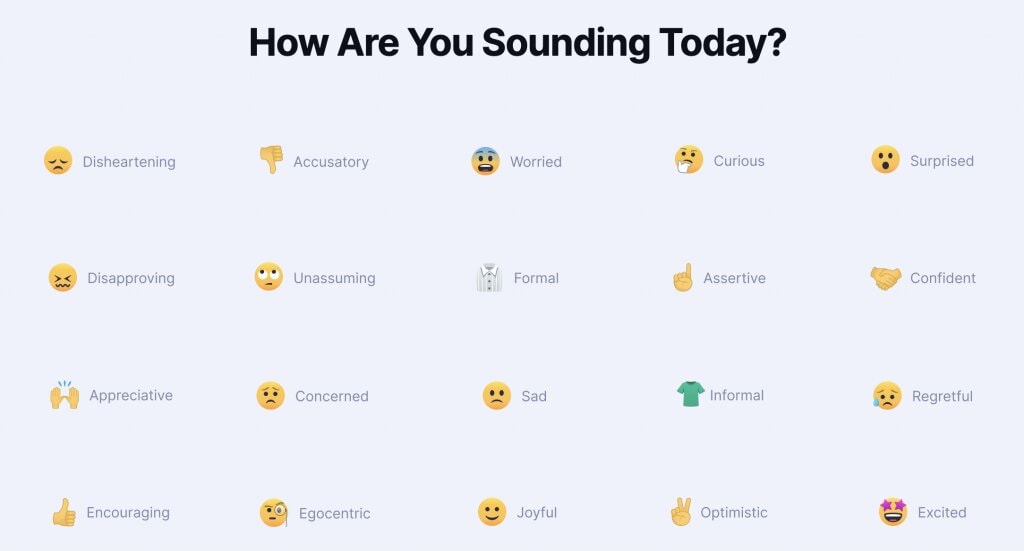
This phrase does not land the same way in every message. The reader hears a tone, not just a reference, and that tone depends on context, relationship, and timing.
In short threads, it can sound tidy. In tense threads, it can feel like a record being pulled out, even if that was not your intent, especially when you are writing an email explaining a problem and emotions or stakes are high. .
It works best when the email is calm, the relationship is steady, and the goal is simple alignment. In these cases, the phrase reads as a clean pointer to what was already agreed.
Where It Tends to Work Well
Example
“As per conversation, I will send the revised draft by Tuesday.”
This sounds cooperative because the sentence takes ownership. It does not push responsibility onto the reader.
The phrase shifts when it appears after friction, delay, or disagreement. In that context, it can sound like proof, not clarity, and the email may feel overly formal.
Signals That Trigger the Wrong Read
Example
“As per conversation, you were supposed to share the file yesterday.”
Even if true, this can read like a reminder with a sting. A simpler rewrite often lands better.
A single sentence can shift tone depending on context and placement. The words stay the same, yet the message feels different.
Below is one example that shows how intent changes perception.
Scenario: Missed Report Deadline
Why it feels sharp: The phrase sits next to pressure. It reads like a formal record of fault rather than a request for progress.
Why it works: The reference remains clear, but the tone invites collaboration. It protects accountability without escalating tension.
The structure of the email changes the emotional impact. Understanding this shift prepares you to choose language with precision rather than habit.
Use this phrase when you want to anchor a message to a clear agreement. It works best when the email is calm and the reference helps the reader act faster.
It is most effective when the discussion is recent, the parties share the same context, and the goal is clarity, not correction.
Best-Fit Situations
Example
“As per conversation, I will send the updated proposal by Thursday, and we can proceed once you approve.”
Used this way, it supports alignment without sounding overly formal. If the context is tense, switching to alternatives often keeps the same meaning while improving tone.
That sets up the next section, where we break down clearer alternatives by scenario so your emails stay direct and easy to read.
The right replacement depends on context. Tone shifts based on responsibility, urgency, and audience.
When both parties are aligned, your wording should reflect shared clarity. The goal is confirmation, not correction.
When responsibility is clear, language should sound firm yet professional. The focus is accountability without friction.
When you are continuing a thread, your wording should feel natural and connected. It should signal progress, not pressure.
Deadlines require precision. The language should remove ambiguity while keeping tone steady.
When summarizing decisions, the goal is reinforcement. Clear phrasing ensures alignment remains consistent.
In sensitive situations, clarity must feel supportive. The language should clarify without escalating tension.
Communication with senior stakeholders benefits from precision. The tone should be direct and structured.
Sometimes the strongest choice is simplicity. Direct statements reduce confusion and keep the message focused.
Each scenario calls for deliberate wording. With context clear, the final step is understanding where both the original phrase and its alternatives can still create friction.
These phrases fail for one main reason, they get used as shortcuts instead of clarity tools. The reader then fills the gap with tone, and tone is where emails get messy.
The goal is always the same, make the message easy to act on. These mistakes block that goal, whether you use the original phrase or other ways to express the same point.
Mistakes With “As Per Conversation”
Example
“As per conversation, you need to complete this today.”
This reads like pressure. A clearer sentence would name the deliverable and the timeline without relying on the phrase.
Mistakes With Alternatives
Example
“To ensure we are aligned, please do the needful.”
The opener tries to soften. The closer lands stiff and unclear.
Clarity is not a style choice, it is a structure choice. Once you remove these mistakes, it becomes easier to write messages that feel calm and still move work forward.
Yes, if the earlier discussion was clear, recent, and mutually understood. It works best when both parties share the same context and the goal is documentation, not correction.
State the detail directly, then reference the discussion briefly. Focus on clarity and action rather than reminding someone what they said.
Example:
“As discussed, the deadline is Friday. Please confirm if this still works.”
Often, yes. Restating key points reduces confusion and removes the need for the reader to recall earlier messages. Direct language improves clarity and keeps the message self-contained.
It can, if the sentence does not clearly define ownership or timelines. A reference without specifics forces the reader to interpret what happens next.
Clear instructions prevent ambiguity.
Yes. Repeated references can make communication feel defensive or overly formal. Strategic use shows control, while overuse can weaken tone and reduce impact.
Clarity in email is rarely about vocabulary, it is about intention. Each line should help the reader act without second-guessing tone.
“As Per Conversation” works when it protects alignment, not when it protects ego. Use it with purpose, or choose a clearer alternative that states the point directly.
Before sending your next message, read the sentence once and ask what it truly conveys. If the tone feels steady and the next steps are clear, your writing is doing its job.